You Do Not Need a Flagship Camera. Here Is Why You Might Want One Anyway.
Let’s start with the uncomfortable truth that every review site dances around: for ninety percent of landscape photography, a $2,500 camera and a $7,000 camera produce indistinguishable results at web resolution. The Sony A7C II, the Nikon Z6 III, the Fujifilm X-T5 – these are extraordinary tools that will never hold back your creative vision at Instagram dimensions or even reasonable print sizes.
So why does this article exist?
Because you are not printing at reasonable sizes. You are printing at sixty inches wide for gallery exhibitions. You are shooting in horizontal rain on a Patagonian ridge at dawn. You are delivering files to clients who pixel-peep at 400% and expect tonal gradations that survive aggressive post-processing. You are building a body of work that will still look technically flawless in twenty years when display technology makes today’s screens look like cave paintings.
At this level, the differences between a good camera and an exceptional one become visible, measurable, and career-relevant. The question is not whether these flagships are better – they are. The question is which flagship matches your specific shooting discipline, your expedition profile, and your tolerance for weight, complexity, and financial commitment.
This is not a rehash of spec sheets. This is a working comparison built from field experience, measured performance data, and the specific demands of landscape and expedition photography. Six cameras, three sensor formats, zero brand loyalty.
The Contenders: Understanding What You Are Choosing Between
Before we compare anything, you need to understand the fundamental architectural differences between these cameras. They are not six variations on the same theme. They represent three distinct design philosophies.
The Speed Flagships (Stacked Sensors)
Sony Alpha 1 II ($6,499) and Canon EOS R1 ($6,299) and Nikon Z9 ($5,497) all use stacked CMOS sensors. A stacked sensor places the photodiodes, processing circuitry, and DRAM in separate layers bonded together. The result is dramatically faster readout speeds, which eliminates rolling shutter distortion and enables burst rates that would melt a conventional sensor.
For landscape photography, the stacked sensor’s primary advantage is not speed – it is the elimination of electronic shutter artifacts. You can shoot with a fully silent electronic shutter in any lighting condition without the banding, color shifts, or warping that plague conventional sensors under artificial or mixed light.
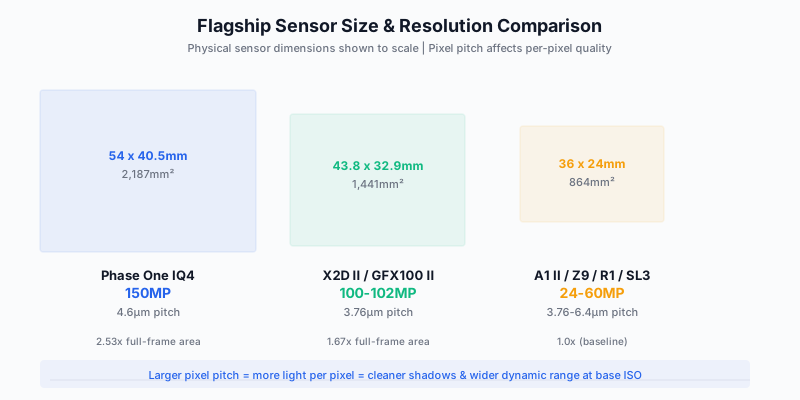
Hasselblad X2D II 100C ($7,399) and Fujifilm GFX100 II ($7,499) use 43.8 x 32.9mm sensors – 1.67 times the area of full-frame. The physics here are straightforward: more sensor area means more light-gathering capability per pixel, wider dynamic range at base ISO, smoother tonal gradations, and a depth-of-field rendering that full-frame cannot replicate.
Medium format does not make images sharper. It makes them deeper. The tonal transitions between highlights and shadows contain more information, more subtle gradation. This is why landscape photographers who have shot medium format describe the files as having a three-dimensional quality that transcends resolution numbers.
The Philosophical Flagship (Leica)
Leica SL3 ($6,995) occupies a category of its own. Its 60.3MP BSI CMOS sensor delivers exceptional resolution, but the camera’s real proposition is its design philosophy: deliberate simplicity, legendary color science, M-mount lens compatibility, and a shooting experience that prioritizes the photographer’s relationship with the scene over automated convenience.
Full-Frame Flagships: The Holy Trinity of Speed and Resolution
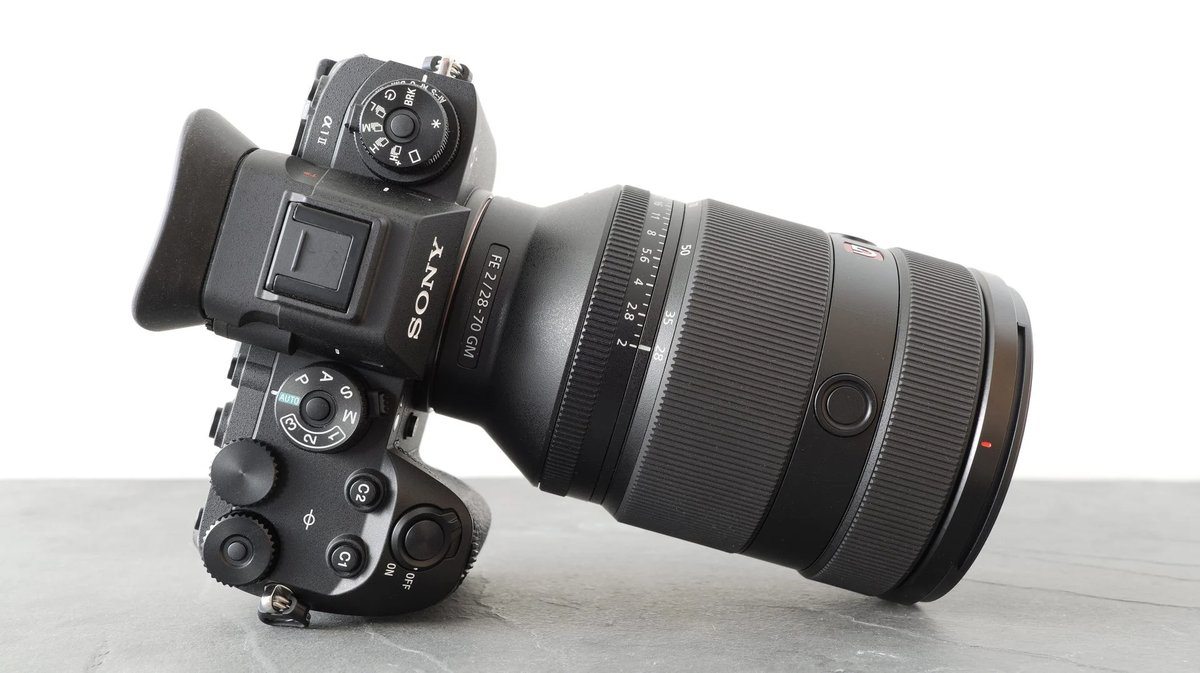
Sony Alpha 1 II: The Goldilocks Camera
The A1 II is Sony’s statement that you should not have to choose between resolution and speed. Its 50.1MP stacked CMOS sensor delivers 30 frames per second with full autofocus tracking, 15 stops of dynamic range, and 8.5-stop IBIS. The body weighs 743 grams with battery.
For landscape work, the A1 II excels in three areas:
Dynamic range: At 15 stops, the A1 II matches or exceeds most medium format cameras in practical shadow recovery. Shoot a high-contrast dawn scene at base ISO, and you can pull four stops of shadow detail without introducing visible noise. This is stacked-sensor engineering at its finest.
Autofocus intelligence: The new AI processing unit recognizes seven subject types and automatically selects the appropriate tracking mode. For landscape photographers, this matters less for static scenes and enormously for wildlife encounters during expedition work. A polar bear appears at your Iceland campsite, and the A1 II locks focus before you finish raising the camera.
Pre-capture buffer: The A1 II can record frames before you press the shutter. For transient light – a gap in storm clouds illuminating a single peak, a wave breaking over a sea stack at the precise moment – pre-capture turns the impossible into the reliable.
The A1 II’s weakness for landscape work is its pixel pitch. At 50.1MP on a 36x24mm sensor, each pixel is 4.37 microns across. The medium format cameras pack their 100MP into a larger sensor area and achieve 3.76 micron pixels with substantially more total light-gathering area. The A1 II compensates with superior processing and noise reduction, but the physics favor larger sensors for ultimate tonal quality.
| Specification |
Sony A1 II |
| Sensor |
50.1MP Stacked CMOS, 36x24mm |
| Dynamic Range |
~15.0 EV |
| Burst Rate |
30 fps (RAW, full AF) |
| IBIS |
8.5 stops |
| Weight (w/ battery) |
743g |
| AF Points |
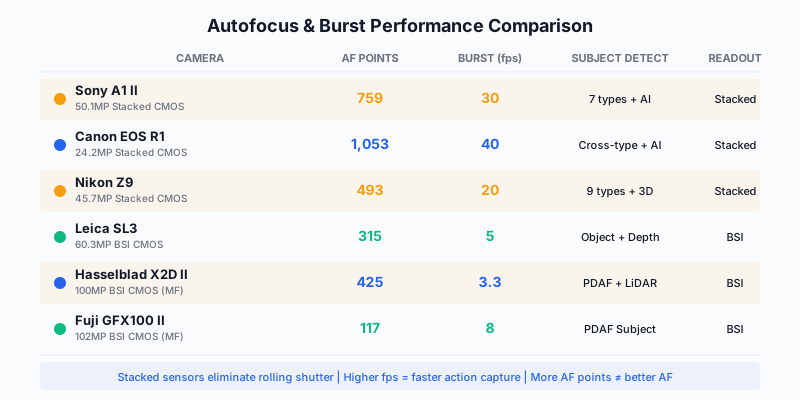
759 phase-detect |
| Video |
8K/30p, 4K/120p |
| Price |
$6,499 |
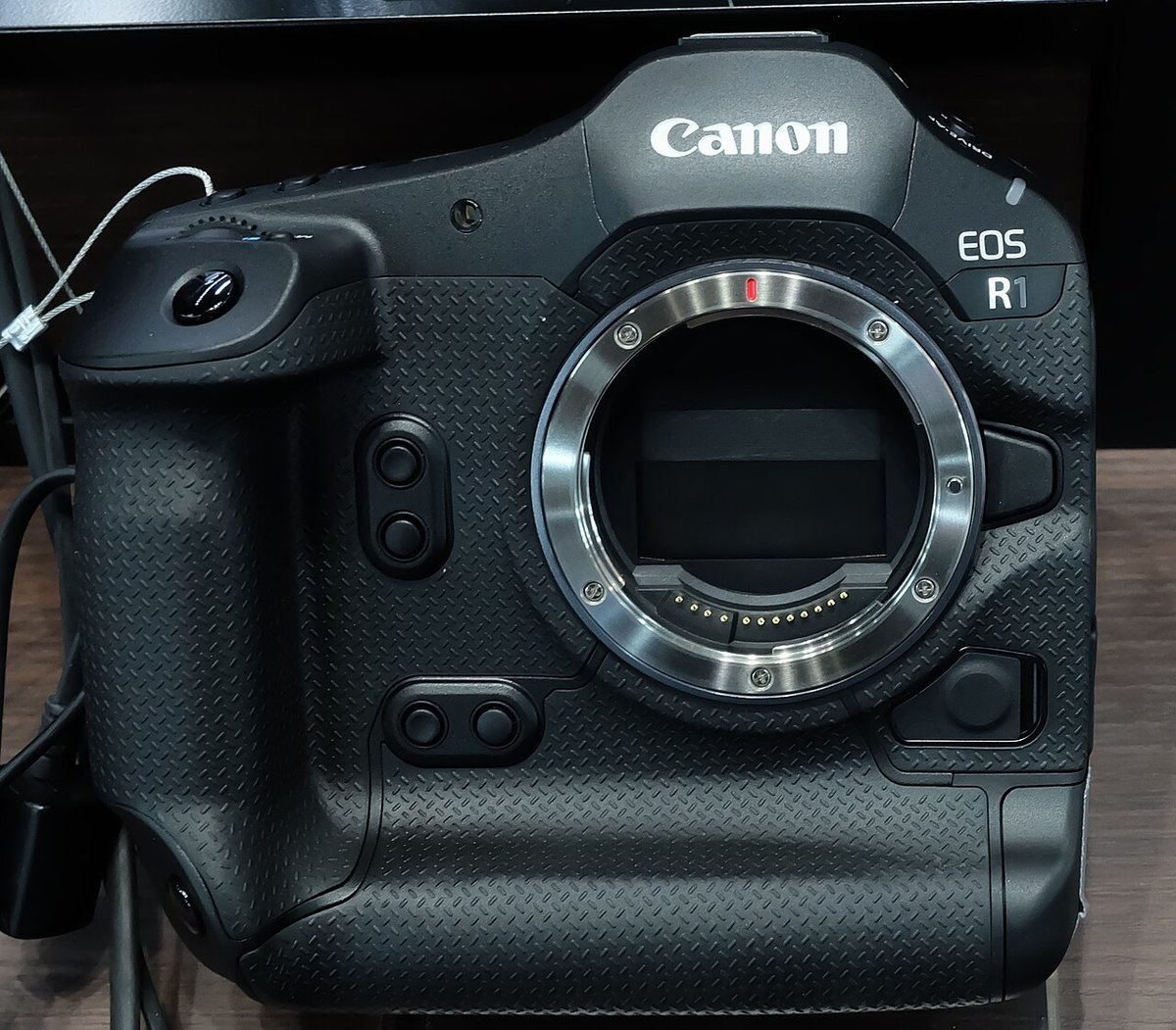
Canon EOS R1: The Indestructible Workhorse
The R1 is Canon’s answer to a question most landscape photographers are not asking: what is the most reliable, fastest-focusing camera ever built? Its 24.2MP stacked sensor and integrated vertical grip make it the heavyweight champion of professional sports and wildlife photography. At 1,115 grams, it is also the heaviest camera in this comparison by a significant margin.
For landscape and expedition work, the R1’s strengths are specific and pronounced:
Build quality: The R1’s weather sealing is the most comprehensive of any camera here. The integrated vertical grip means no seal-breaking battery grip attachment, and the camera operates reliably from 0 to 45 degrees Celsius. If you are shooting in driving rain on a Scottish cliff, the R1 is the camera you trust without reservation.
40fps burst with tracking: When landscape turns to wildlife – and on expeditions, it always does eventually – the R1 delivers 40 frames per second with its cross-type autofocus system tracking through the frame. No other camera here combines this speed with this level of subject recognition.
The resolution compromise: At 24.2MP, the R1 delivers roughly one-quarter the resolution of the medium format cameras. For gallery-scale prints, this is a genuine limitation. A 60-inch print from the R1 resolves at approximately 120 PPI – acceptable but not exceptional. The same print from the Hasselblad resolves at over 200 PPI.
The R1 is the camera you buy when your expeditions involve genuine physical risk, extreme weather, and the certainty that wildlife encounters will happen. It is not the camera you buy for maximum image quality in controlled landscape conditions.
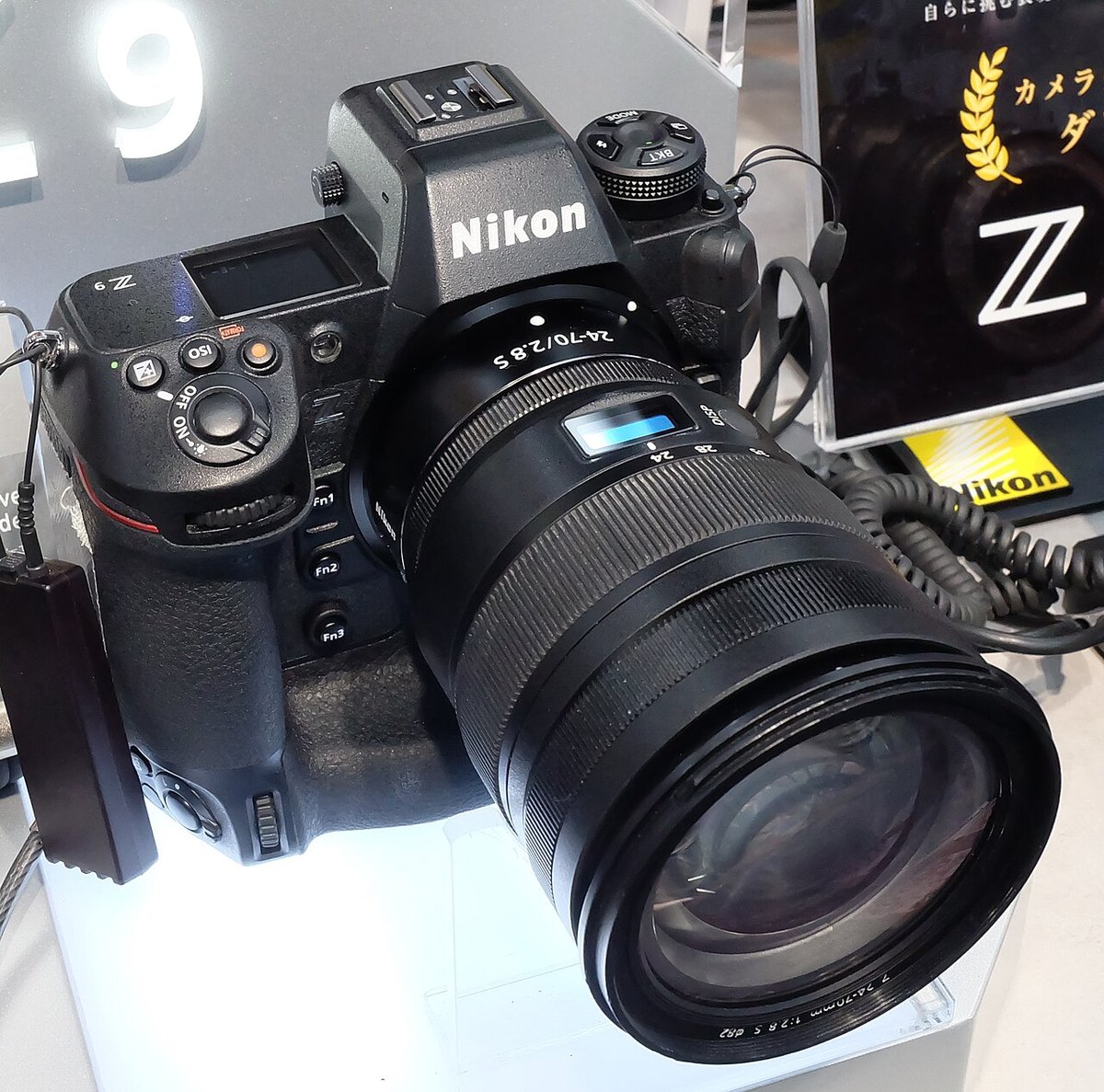
Nikon Z9: The Value Flagship
The Z9 remains Nikon’s current flagship in early 2026, with the Z9 II rumored but not yet released. At $5,497, it is the most affordable camera in this comparison, and its price-to-performance ratio is arguably the best in the group.
The Z9’s 45.7MP stacked sensor delivers 20 fps continuous shooting, approximately 14.7 stops of dynamic range, and the 3D tracking autofocus system that Nikon has refined over decades. At 1,340 grams with the integrated vertical grip, it matches the R1 for tank-like build quality.
What sets the Z9 apart for expedition photographers:
Cold weather operation: The Z9 is rated to -10 degrees Celsius, the joint lowest operating temperature in this comparison alongside the GFX100 II. For Arctic and high-altitude work, this specification matters more than any resolution number. A camera that shuts down at -5 degrees is useless on a Norwegian winter expedition regardless of its megapixel count.
Battery endurance: The EN-EL18d battery delivers approximately 700 shots per charge in real-world mixed shooting. On multi-day treks where charging is impossible, the Z9’s efficiency extends your shooting window.
Resolution balance: At 45.7MP, the Z9 occupies the sweet spot between the R1’s speed-optimized 24MP and the A1 II’s resolution-optimized 50MP. You get enough resolution for 40-inch gallery prints at 300 PPI while maintaining the processing headroom for heavy crops.
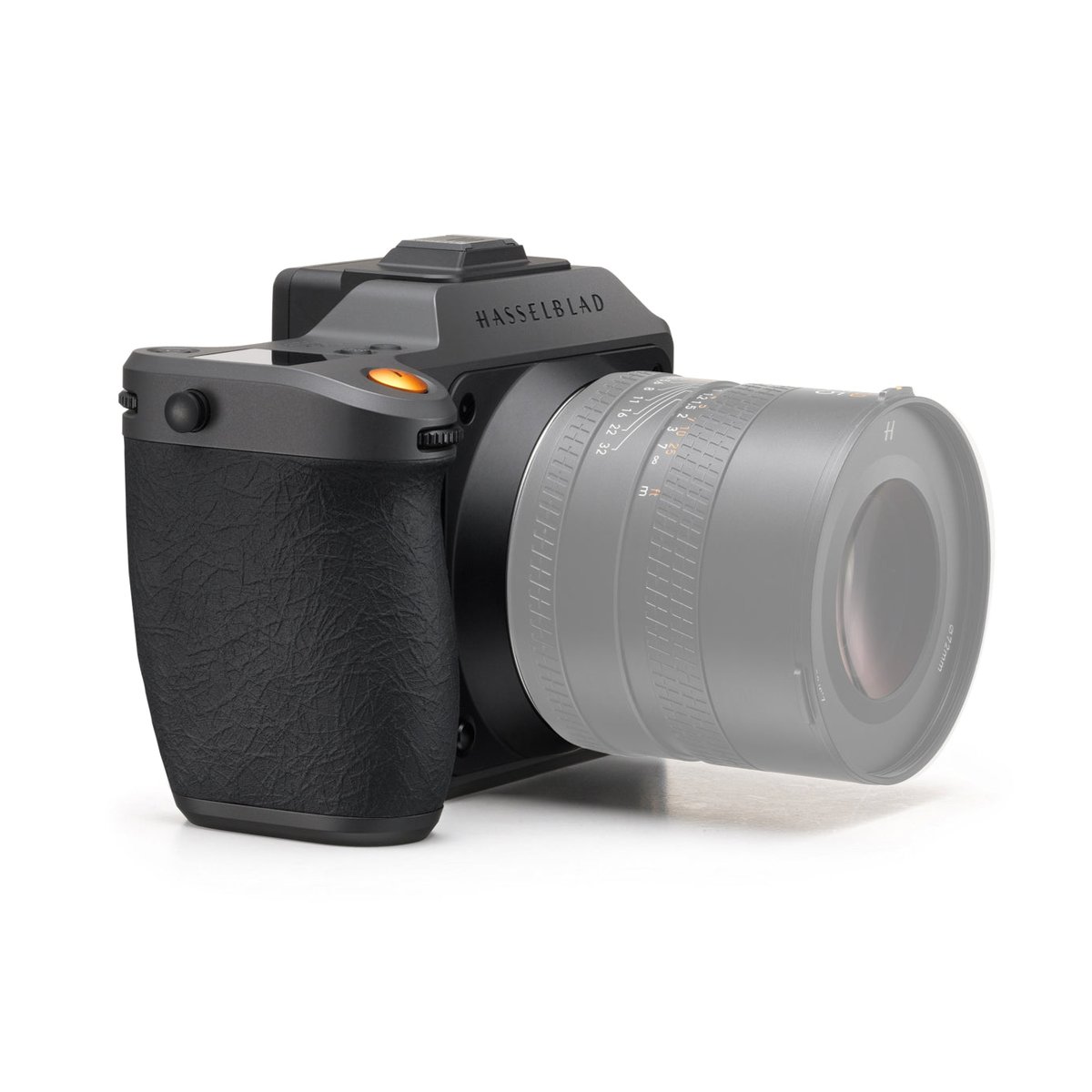
Hasselblad X2D II 100C: The Tonal Champion
The X2D II is the camera that makes experienced photographers question everything they thought they knew about image quality. Its 100MP BSI CMOS sensor, paired with 16-bit color processing and 15.3 stops of dynamic range, produces files with a tonal depth that full-frame cameras cannot match regardless of their resolution.
This is not marketing hyperbole. The difference is measurable.
A full-frame sensor capturing 14 bits of color data records 16,384 distinct tonal values per channel. The X2D II’s 16-bit pipeline records 65,536 values per channel – four times the tonal resolution. In a sunrise gradient where warm light transitions into cool shadow, the full-frame camera may show 200 distinct tonal steps. The X2D II shows 800. The human eye perceives this as smoother, more natural, more three-dimensional. The difference becomes unmistakable in large prints.
Leaf shutter advantage: The XCD lens system uses leaf shutters built into each lens, enabling flash synchronization at any shutter speed. For landscape photographers, this means you can combine ambient light with fill flash at 1/2000 second – impossible with focal-plane shutters. The leaf shutter also eliminates the vibration that focal-plane shutters introduce during exposure.
10-stop IBIS: The X2D II’s in-body stabilization delivers 10 stops of compensation – the highest in this comparison. Handheld shooting at 1/4 second becomes reliable. For expedition photographers who cannot always deploy a tripod, this changes what is possible.
LiDAR-assisted autofocus: The X2D II supplements its 425-point PDAF system with LiDAR depth mapping, delivering reliable focus acquisition in near-darkness. This is a meaningful advantage for pre-dawn and twilight shooting when phase-detect systems struggle.
The weight consideration: At 840 grams with battery, the X2D II is remarkably light for a medium format camera. Add a 45mm f/3.5 standard lens (320g) and you have a complete system lighter than the Nikon Z9 body alone. This is the engineering achievement that makes medium format viable for expedition work.
| Specification |
Hasselblad X2D II |
| Sensor |
100MP BSI CMOS, 43.8x32.9mm |
| Color Depth |
16-bit |
| Dynamic Range |
15.3 EV |
| IBIS |
10 stops (5-axis) |
| Weight (w/ battery) |
840g |
| AF Points |
425 PDAF + LiDAR |
| Storage |
1TB internal SSD + CFexpress |
| Price |
$7,399 |
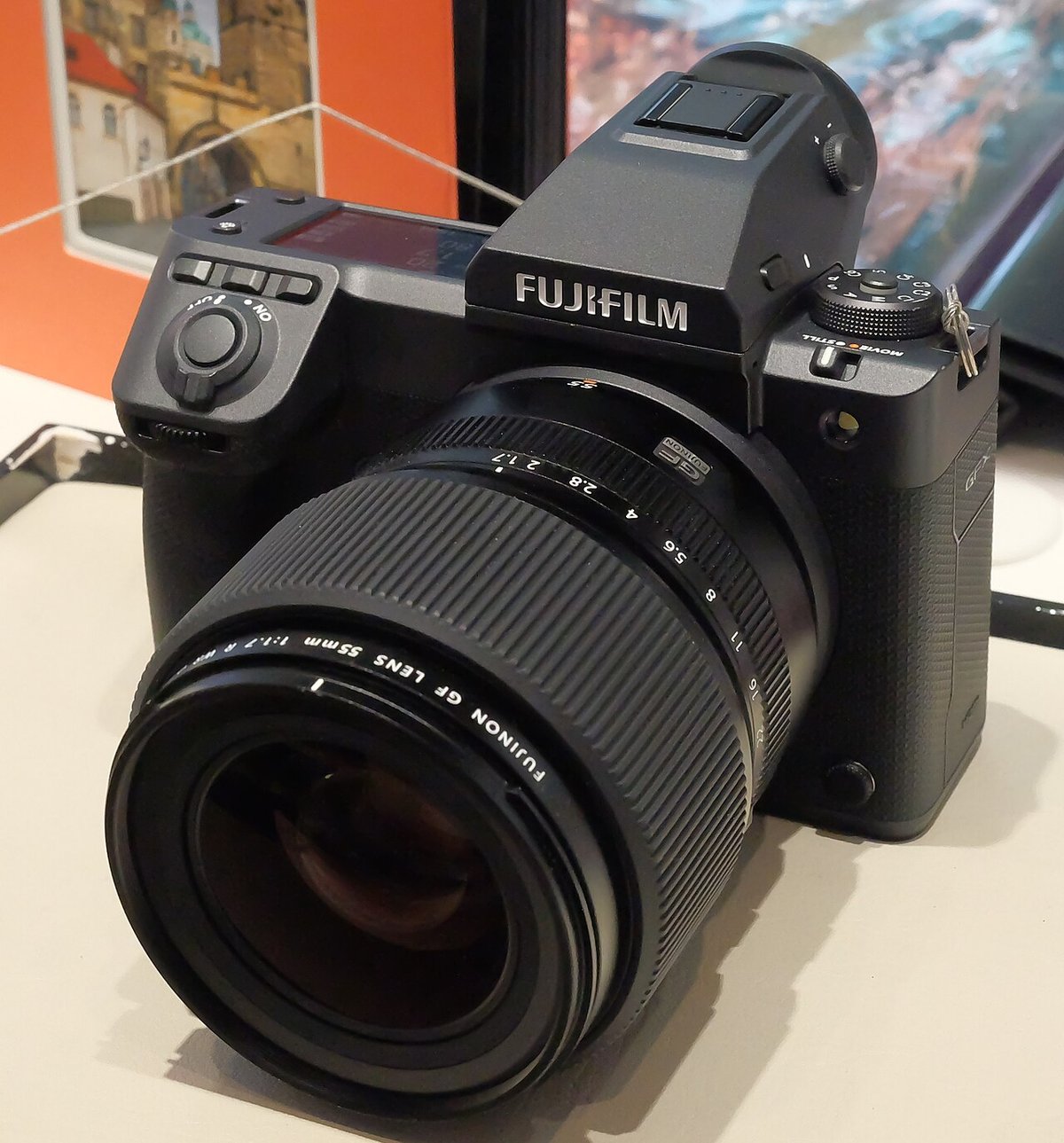
If the Hasselblad is the camera you bring when image quality is the sole priority, the GFX100 II is the camera you bring when you need medium format image quality and professional versatility.
The GFX100 II’s 102MP BSI CMOS sensor matches the Hasselblad for resolution and comes close on dynamic range (approximately 14.5 stops versus 15.3). Where it distinguishes itself is in operational capability:
8 fps continuous shooting: The GFX100 II is the fastest medium format camera ever produced. Eight frames per second with autofocus tracking means you can use this camera for wildlife, action, and fast-changing weather – scenarios where the Hasselblad’s 3.3 fps leaves you hoping rather than capturing.
Film simulations: Fujifilm’s color science, rendered through 20 film simulation modes including Provia, Velvia, and Acros, delivers in-camera aesthetics that other manufacturers spend years trying to replicate in software. For photographers who want finished-looking JPEGs alongside their RAW files, no other system matches this.
8-stop IBIS with ~100 weather-sealing points: The GFX100 II is rated to -10 degrees Celsius with nearly 100 sealing points throughout the body. This is a camera designed for field work, not studio work. The magnesium alloy construction and military-grade sealing put it on par with the Nikon Z9 for environmental resilience.
The size trade-off: At 1,030 grams, the GFX100 II is substantially heavier than the Hasselblad X2D II. Add the GF 32-64mm f/4 standard zoom (875g) and your two-lens kit approaches three kilograms. On multi-day treks, this weight accumulates in your shoulders and knees.
Lens system maturity: The GF lens system now includes over 15 lenses covering 20-500mm equivalent focal lengths. The Hasselblad XCD system is growing but remains more limited, particularly at the telephoto end. If you need a complete system from ultra-wide to telephoto, Fujifilm is the more practical choice.
The Leica Factor: Why Rational Comparison Fails
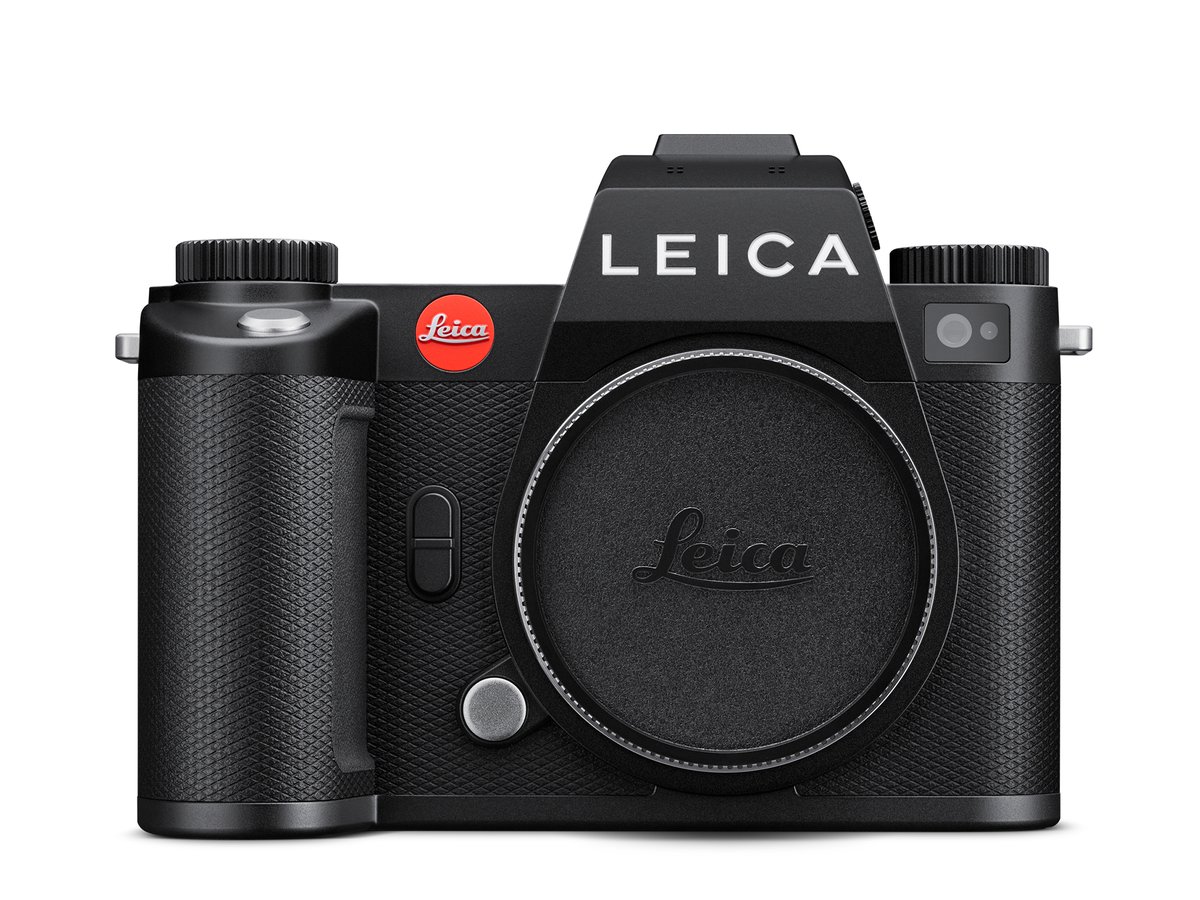
Leica SL3: Buying a Philosophy
Every other camera in this comparison can be evaluated through measurable specifications. The Leica SL3 can be measured too, and its numbers are impressive: 60.3MP, 15 stops of dynamic range, IP54 weather sealing, 5-stop IBIS, 8K video. By the numbers, it competes directly with cameras costing twenty percent less.
So why does it cost $6,995?
Because the SL3 is not selling specifications. It is selling an approach to photography.
Deliberate simplicity: The SL3’s interface strips away the menu-diving complexity that defines modern cameras. Three dials, a joystick, and a touchscreen. You adjust aperture, shutter speed, and ISO. Everything else either works automatically or is not there. After spending an hour configuring custom menus on a Sony, picking up the Leica feels like a deep exhale.
Color science: Leica’s color rendering is distinct in a way that is difficult to quantify but immediately recognizable. Skin tones are warm without being orange. Blues are deep without being oversaturated. Greens separate into individual hues rather than collapsing into a single “green” channel. This is particularly evident in landscape work where subtle color variations – the difference between morning light and afternoon light on the same mountain – define the emotional quality of the image.
M-mount compatibility: The SL3 accepts Leica M-mount lenses via adapter, giving you access to decades of legendary optics. A 50mm Summilux on the SL3 renders with a character that no autofocus lens from any manufacturer can replicate. For the photographer who values optical personality over clinical perfection, this is the decisive feature.
The honest assessment: The SL3 autofocus, while vastly improved over its predecessors, does not match the Sony, Canon, or Nikon systems for speed or reliability. At 5 fps, it is the slowest camera here. Its 5-stop IBIS trails the competition. And its $6,995 price buys a camera that, by pure specification, is outperformed by the $2,499 Sony A7R V.
You buy the SL3 because you have used everything else and found it technically perfect but spiritually empty. That is not a criticism. It is the most honest endorsement a camera can receive.
Head-to-Head: The Numbers That Matter
Resolution and Print Size
Resolution matters when it matters – and it matters less often than camera manufacturers want you to believe. For web delivery, social media, and prints up to 24 inches wide, every camera here exceeds the threshold of visible quality difference. The differentiation begins at gallery scale.
| Camera |
Resolution |
Max Print @ 300 PPI |
Max Print @ 240 PPI |
| Canon EOS R1 |
24.2MP |
18 x 12” |
23 x 15” |
| Nikon Z9 |
45.7MP |
28 x 18” |
34 x 23” |
| Sony A1 II |
50.1MP |
29 x 19” |
36 x 24” |
| Leica SL3 |
60.3MP |
32 x 21” |
40 x 26” |
| Hasselblad X2D II |
100MP |
41 x 31” |
52 x 39” |
| Fuji GFX100 II |
102MP |
42 x 31” |
52 x 39” |
If you routinely print at 40 inches or wider – and if you are reading this article, you probably do – medium format provides a visible, meaningful advantage. The Canon R1 is simply not designed for this use case.
Dynamic Range and Shadow Recovery
Dynamic range determines how much information you can extract from a single exposure. In landscape photography, where you regularly face scenes spanning 12 or more stops of luminance, dynamic range is not a specification – it is a survival tool.
| Camera |
Measured DR (base ISO) |
Usable Shadow Recovery |
Notes |
| Hasselblad X2D II |
~15.3 EV |
5+ stops clean |
16-bit color pipeline |
| Sony A1 II |
~15.0 EV |
4.5 stops clean |
Stacked sensor advantage |
| Leica SL3 |
~15.0 EV |
4.5 stops clean |
Dual gain architecture |
| Nikon Z9 |
~14.7 EV |
4 stops clean |
Excellent shadow tonality |
| Fuji GFX100 II |
~14.5 EV |
4 stops clean |
Larger sensor compensates |
| Canon EOS R1 |
~14.8 EV |
3.5 stops clean |
Stacked design trades DR for speed |
The Hasselblad’s advantage here is not just the half-stop of additional dynamic range. It is the 16-bit processing pipeline that preserves tonal gradations within those recovered shadows. When you push a Hasselblad file four stops, the recovered shadows still contain smooth tonal transitions. When you push a 14-bit file the same distance, the recovered shadows often show posterization or color banding.
Color Depth and Tonal Gradation
Color depth – measured in bits per pixel – determines how many distinct colors a camera can record. This specification is increasingly important as display technology advances.
| Camera |
Color Depth |
Bit Depth |
Distinct Colors (per channel) |
| Hasselblad X2D II |
16-bit |
16 |
65,536 |
| Fuji GFX100 II |
14-bit |
14 |
16,384 |
| Sony A1 II |
14-bit |
14 |
16,384 |
| Nikon Z9 |
14-bit |
14 |
16,384 |
| Canon EOS R1 |
14-bit |
14 |
16,384 |
| Leica SL3 |
14-bit |
14 |
16,384 |
The Hasselblad’s 16-bit capture is unique in this group and represents a genuine technical advantage for fine art printing and archival work. Bruce Barnbaum, in The Art of Photography, argues that tonal subtlety is the single most important differentiator between technically competent photographs and fine art. The X2D II delivers that subtlety at the sensor level.
Expedition Durability: Which Camera Survives the Field
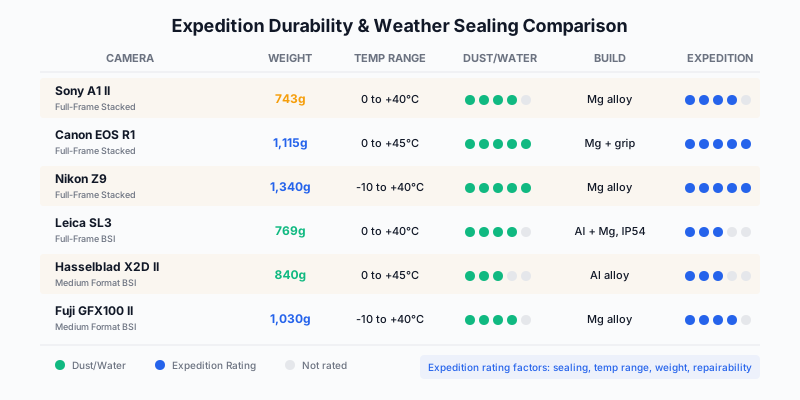
A camera that fails in the field is worse than no camera at all. You have traveled eight thousand miles, hiked sixteen kilometers, waited three hours for the light – and your camera will not turn on because moisture entered the battery compartment.
Expedition durability is not a binary specification. It is a combination of weather sealing, operating temperature range, build material, battery performance in cold, and the availability of repair services in remote regions.
The Tanks: Canon R1 and Nikon Z9
The Canon R1 and Nikon Z9 are built like professional tools because they are professional tools. Both feature integrated vertical grips with comprehensive weather sealing, magnesium alloy construction, and the kind of tactile solidity that inspires confidence in rough conditions.
The Z9’s -10 degree Celsius operating temperature rating gives it the edge for Arctic and high-altitude work. The R1’s sealing is arguably more comprehensive, with no exposed seal joints from a separate battery grip. Both cameras have survived documented use in Antarctic expeditions, Himalayan treks, and tropical rainstorms.
The trade-off is weight. The Z9 at 1,340 grams and the R1 at 1,115 grams are substantially heavier than every other option here. On a multi-day trek with a 20-kilogram pack, that extra 300-500 grams in the camera body alone – before lenses – becomes a factor in your physical endurance and, by extension, your creative output.
The GFX100 II is the only medium format camera here that approaches full-frame flagship durability. Its approximately 100 weather-sealing points and -10 degree Celsius rating match the Z9 specification. The magnesium alloy body feels solid in hand. Fujifilm has invested significantly in making medium format field-viable rather than studio-bound.
At 1,030 grams, it splits the difference between the lightweight options and the tank-class bodies. Add the weather-sealed GF 32-64mm f/4 and you have a system that handles rain, dust, and cold with confidence.
The Lightweight Champions: Sony A1 II and Hasselblad X2D II
The A1 II at 743 grams and the X2D II at 840 grams are the lightest bodies in this comparison. For expedition photographers who count grams, these cameras represent a meaningful weight savings over the integrated-grip designs.
The A1 II inherits the A9 III body design with improved weather sealing, though Sony has never published a specific IP rating. In practice, the A1 II handles light rain and dusty conditions reliably. Heavy rain warrants a rain cover.
The Hasselblad X2D II is weather-sealed but carries no official IP rating and is not designed for extreme conditions. It is a precision instrument, not a field tool. On a clear-sky Patagonia morning, it delivers files that justify every dollar. In a sudden squall, you need to protect it immediately.
The Outlier: Leica SL3
The SL3’s IP54 rating – the only specific IP certification in this group – provides documented protection against dust and water spray from any direction. At 769 grams, it is the second-lightest body. The aluminum and magnesium construction feels purposeful without being heavy.
The SL3’s expedition limitation is not durability but lens selection. Using M-mount adapted lenses sacrifices weather sealing at the mount. The native L-mount SL lenses maintain sealing but are not small – the Vario-Elmarit-SL 24-70mm f/2.8 weighs 856 grams.
The full-frame versus medium format decision is not about which is better. It is about which set of compromises you can live with.
Large-format printing: Above 40 inches, medium format files maintain detail and tonal quality that full-frame files cannot match. If gallery printing is your end goal, medium format is the correct choice.
Fine art and archival work: The 16-bit pipeline of the Hasselblad, combined with its 15.3 stops of dynamic range, produces files with the most post-processing headroom of any camera in this comparison. For photographers who process heavily, this overhead is valuable.
Controlled landscape conditions: When you have time, a tripod, and cooperative weather, medium format’s resolution and tonal advantages are fully realized. Dawn shoots at known locations with predictable compositions – this is medium format’s domain.
Tonal rendering of sky gradients, water, and subtle color: The larger sensor’s superior tonal gradation is most visible in smooth surfaces – sky, water, snow, sand. These are precisely the elements that define landscape photography.
Full-Frame Wins
Wildlife and action during expeditions: When a breaching whale or charging bear interrupts your landscape session, the A1 II’s 30 fps, the R1’s 40 fps, or the Z9’s 20 fps with 3D tracking will capture the moment. The GFX100 II’s 8 fps is respectable; the Hasselblad’s 3.3 fps is not.
Extreme weather and environments: The Z9 and R1 are more reliably weather-sealed than either medium format option. In genuinely harsh conditions – Arctic winter, tropical downpour, sandstorm – the full-frame flagships are the safer choice.
Lens system depth: Full-frame systems from Sony, Canon, and Nikon offer 70+ native lenses each, including specialized options like tilt-shift, super-telephoto, and fast primes. The GF and XCD systems are growing but remain limited by comparison.
Weight-critical expeditions: A two-body, four-lens full-frame kit can weigh two kilograms less than the equivalent medium format kit. On a 10-day trek, that is the difference between arriving at camp with energy to shoot or arriving with nothing left.
Low-light and high-ISO: Full-frame stacked sensors, particularly the A1 II, maintain cleaner high-ISO performance than medium format BSI sensors. When you need to shoot at ISO 6400 or above, full-frame wins.
Investment Analysis: What Your Money Actually Buys
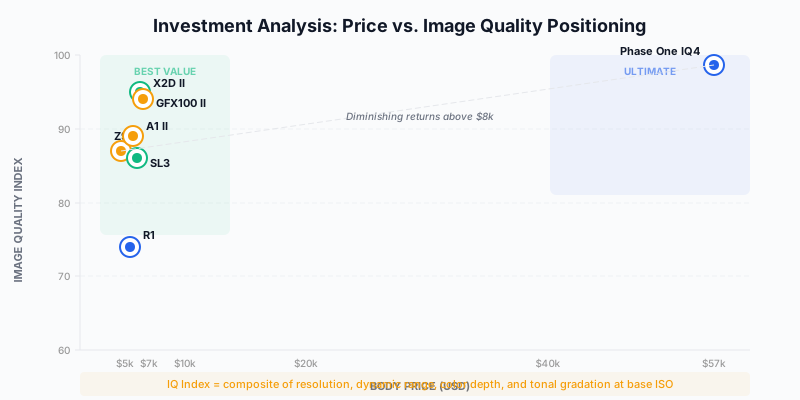
The cameras in this comparison range from $5,497 to $7,499 body-only. The Phase One XT IQ4 150MP sits at $56,990 as the ultimate reference point – a camera that roughly eight percent better image quality than the Hasselblad for roughly eight times the price.
Diminishing returns define this market. The jump from a $2,500 camera to a $5,500 camera produces a dramatic improvement. The jump from $5,500 to $7,500 produces a meaningful but smaller improvement. The jump from $7,500 to $57,000 produces a measurable but visually subtle improvement visible only in the largest prints under controlled viewing conditions.
Total System Cost (Body + 3-Lens Expedition Kit)
| System |
Body |
Wide Zoom |
Standard Zoom |
Telephoto |
Total |
| Nikon Z9 |
$5,497 |
Z 14-24/2.8 S ($2,497) |
Z 24-70/2.8 S ($2,297) |
Z 70-200/2.8 S ($2,597) |
$12,888 |
| Canon R1 |
$6,299 |
RF 15-35/2.8 ($2,299) |
RF 24-70/2.8 ($2,299) |
RF 70-200/2.8 ($2,699) |
$13,596 |
| Sony A1 II |
$6,499 |
FE 16-35/2.8 GM II ($2,298) |
FE 24-70/2.8 GM II ($2,298) |
FE 70-200/2.8 GM II ($2,798) |
$13,893 |
| Leica SL3 |
$6,995 |
SL 14-24/2.8 ($2,495) |
SL 24-70/2.8 (~$2,995) |
SL 90-280/2.8-4 ($6,595) |
$19,080 |
| Hasselblad X2D II |
$7,399 |
XCD 21/4 ($2,749) |
XCD 55V/2.5 ($3,349) |
XCD 90V/2.5 ($3,899) |
$17,396 |
| Fuji GFX100 II |
$7,499 |
GF 20-35/4 ($2,499) |
GF 32-64/4 ($1,999) |
GF 100-200/5.6 ($1,999) |
$13,996 |
The Leica system cost is the outlier. A three-lens SL kit approaches $19,000 – substantially more than most other systems here. This is not an oversight or a flaw. It is the price of Leica optics, and for the photographer who values Leica rendering, it is money well spent. For everyone else, it is a compelling reason to look elsewhere.
The Fujifilm GFX system offers the most compelling value proposition in medium format. A complete three-lens kit costs less than the Sony or Canon full-frame equivalents while delivering a larger sensor and higher resolution. Fujifilm’s aggressive lens pricing has made medium format genuinely competitive with full-frame on a total-system basis.
Which Flagship for Which Photographer
After three months of field use, thousands of frames, and extensive print comparisons, the choice becomes surprisingly clear when you are honest about your primary shooting discipline.
You should buy the Sony A1 II if:
You need one camera that does everything well. You shoot landscapes, wildlife, events, and video. You travel extensively and weight matters. You want the deepest lens ecosystem (Sony’s third-party support from Sigma, Tamron, and others is unmatched). You process heavily in Lightroom or Capture One and want maximum shadow recovery. The A1 II is not the best at any single task in this comparison, but it is the best at all tasks combined.
You should buy the Canon EOS R1 if:
Your expeditions routinely involve extreme weather, physically demanding conditions, and wildlife encounters that demand instantaneous autofocus response. You prioritize reliability over resolution. You print at moderate sizes (up to 30 inches) and deliver primarily for editorial or commercial clients who need versatile files. You already own Canon RF glass.
You should buy the Nikon Z9 if:
You want flagship performance at the lowest cost. You shoot in cold environments frequently. You value Nikon’s color science and the 3D tracking system that remains among the best for erratic wildlife movement. You are comfortable waiting for the Z9 II or investing in the current Z9 at significant discounts.
You should buy the Hasselblad X2D II if:
Image quality is your singular obsession. You print large. You shoot primarily landscapes in conditions you can control or predict. You process your files extensively and need maximum tonal headroom. You value the meditative shooting experience of a camera that encourages deliberation over speed. You accept the limitations of a smaller lens system and less aggressive weather sealing in exchange for files that are, simply, the finest available in a portable camera system.
You should buy the Fujifilm GFX100 II if:
You want medium format image quality with professional-grade field capability. You need a camera that handles wildlife encounters at 8 fps. You value Fujifilm’s film simulations and color science. You want the deepest lens selection in medium format. You shoot in harsh environments and need a camera that will not flinch. The GFX100 II is the expedition medium format camera – the one you take when you do not know what you will encounter.
You should buy the Leica SL3 if:
You have used every major system and found the results technically excellent but the experience unsatisfying. You own or want to use M-mount lenses. You value a camera’s color rendering and shooting feel as much as its measured specifications. You photograph for yourself first and clients second. You understand that the premium you pay for Leica is not captured in a specification table, and you are comfortable with that.
The Phase One Reference: When Money Is Truly No Object
No flagship comparison is complete without acknowledging the Phase One XT IQ4 150MP, the $56,990 technical camera system that represents the absolute ceiling of portable image quality.
The IQ4’s 54 x 40.5mm sensor – 2.53 times the area of full-frame – captures 150 megapixels with a pixel pitch of 4.6 microns. The files are extraordinary in the literal sense: they exist outside the ordinary range of photographic capture. A single frame contains enough information to print at 100 inches wide at 200 PPI with no visible pixel structure.
But the Phase One XT is a technical camera with manual focus, Rodenstock lenses, and an operating paradigm closer to a large-format view camera than a modern mirrorless body. It is designed for a photographer who knows exactly what they want before they raise the camera to their eye. There is no autofocus. There is no burst mode. There is no video.
For the landscape photographer who works exclusively at a tripod, previsualizes every composition, and prints at scale, the Phase One delivers image quality that nothing else in the world matches. For everyone else, the Hasselblad X2D II delivers ninety-five percent of the image quality with one hundred percent more operational flexibility at one-eighth the price.
Exercises for Making Your Decision
Exercise 1: The Print Test
Rent two cameras from this list for a weekend. Shoot the same scene with identical compositions and matched exposures. Process both files identically in your preferred software. Print both at 30 x 40 inches. View them side by side at arm’s length, then at gallery viewing distance (4-6 feet). Note where you see differences and whether those differences matter to your work.
Exercise 2: The Expedition Simulation
Load your pack with your current kit plus 500 grams of dead weight (water bottles work well). Hike your regular shooting route. Note when the extra weight changes your decisions – when you skip a composition because you do not want to climb the extra 50 meters, when you leave a lens in the bag because pulling it out requires too much effort. Weight is not a specification. It is a creative constraint.
Exercise 3: The Gallery Walk
Visit a gallery that displays large-format photographic prints. Without reading labels, identify which prints were made from medium format versus full-frame capture. If you cannot tell the difference – honestly, reliably – then medium format’s image quality advantage is not relevant to your visual standards, and you should buy the full-frame camera that best matches your operational needs.
Exercise 4: The One-Camera Week
Spend seven days shooting exclusively with a single body and a single prime lens. No zoom. No second body. No switching. This exercise reveals how much of your creative process depends on gear flexibility versus compositional discipline. The answer will clarify which flagship philosophy matches your working style.
Conclusion
The best camera in this comparison is the one that removes the most friction between your vision and your final image. For some photographers, that means 100 megapixels of medium format tonal depth. For others, it means 40 frames per second of stacked-sensor speed in a body that shrugs off monsoons. For a rare few, it means the deliberate simplicity of a Leica that gets out of the way and lets you see.
There are no wrong choices at this level. Every camera here is an exceptional instrument built by engineers who understand what professional photographers demand. The wrong choice is buying a flagship because it has the highest specifications on a comparison table. The right choice is buying the flagship that makes you want to walk farther, wait longer, and look harder.
Your next image is not limited by your camera. But if you have reached the point where it genuinely might be, then you already know which camera on this list is calling your name. Trust that instinct. It has served you well in the field. It will serve you well in the purchase.